Kitchen Dark Colors Are Back And Trending
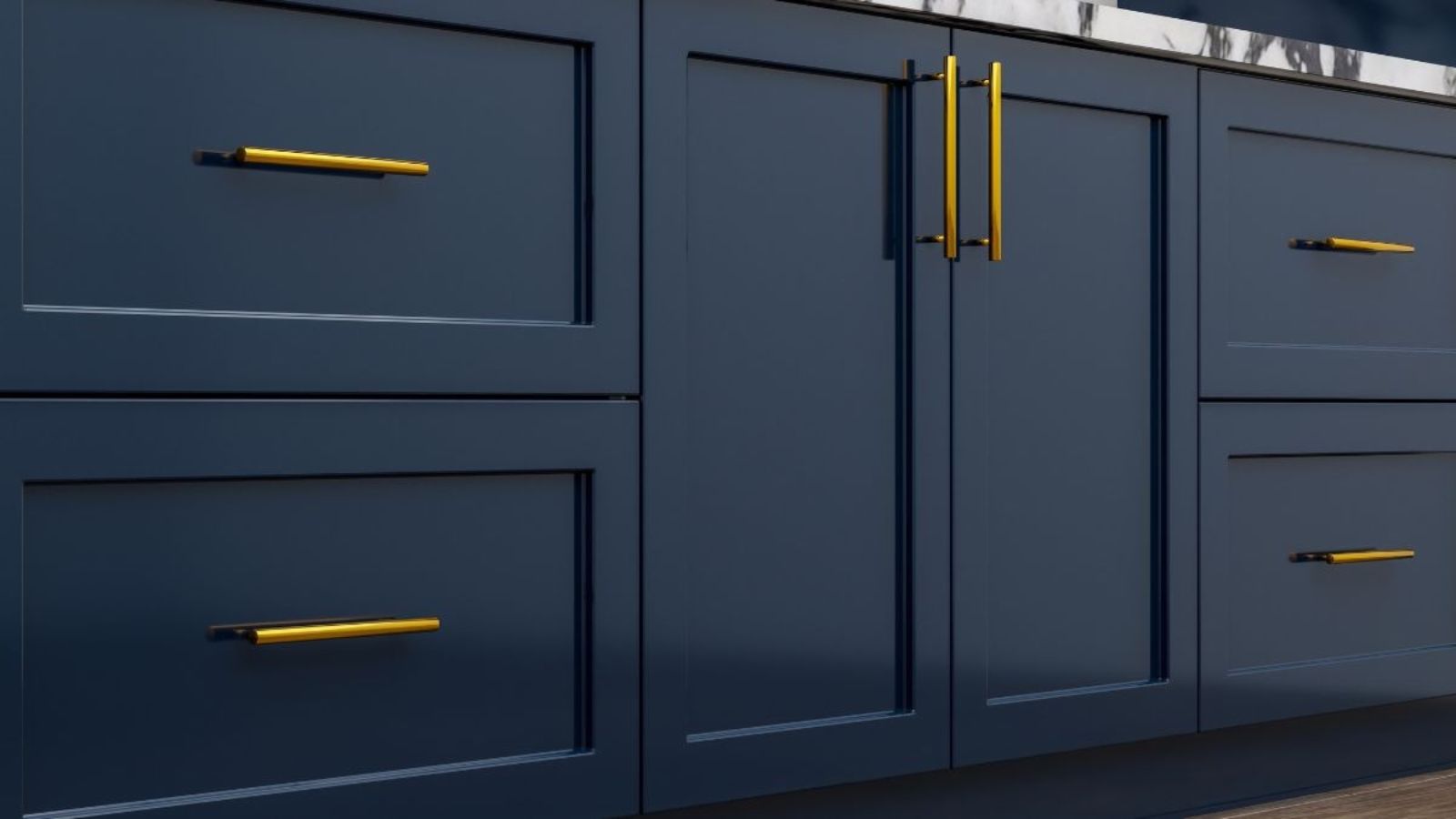
Kitchen design has spent years leaning toward white, light gray, and other bright finishes. Now, homeowners are increasingly considering darker cabinetry to add character and depth without making the room feel closed in.
The renewed interest in dark kitchen colors does not mean every kitchen needs black cabinets. Deep green, navy, charcoal, dark-stained wood, and other rich finishes can create different effects depending on lighting, layout, and surrounding materials.
The key is choosing a color that works with the rest of the kitchen.
The Return of Dark Kitchen Colors
Dark cabinetry does not automatically make a kitchen feel smaller or outdated. The effect depends on how the color interacts with the room.
Darker finishes can add contrast and visual depth, particularly when balanced with lighter or warmer materials.
Factors that affect the result include:
- Amount of natural light
- Cabinet style and layout
- Countertop and backsplash colors
- Flooring and wall color
- Hardware and lighting
- Overall architectural style
Options include deep blue, forest green, charcoal, espresso, and natural wood tones, each creating a different level of contrast.
Dark Cabinet Colors That Work
There is no single dark cabinet color that works best for every kitchen. The right choice depends on the existing finishes and the atmosphere the homeowner wants to create.
- Deep blue: Navy and muted blue can add color while maintaining a classic appearance.
- Dark green: Forest and muted green shades can work well with natural wood, warm neutrals, and stone surfaces.
- Charcoal: Deep gray provides contrast without the intensity of true black.
- Dark-stained wood: Wood grain adds variation that a solid dark finish may not provide.
- Black: Black cabinetry creates strong contrast and can work well in kitchens with sufficient light and complementary materials.
Undertones matter, too. A blue-gray can look very different beside a warm beige countertop than a charcoal with brown undertones. Cabinet door style also affects the result. A dark finish on a highly detailed door can appear heavier than the same color on a simple Shaker or flat-panel door.
The Role of Kitchen Lighting
Lighting is one of the easiest factors to overlook when considering darker cabinetry.
A cabinet sample that looks balanced in a showroom may appear different in a kitchen with limited natural light. Before committing, consider:
- Direction and amount of natural light
- Existing ceiling fixtures
- Under-cabinet and task lighting
- Wall color
- Reflective surfaces such as countertops and backsplash
View samples at different times of day and place them beside the actual countertop and backsplash. This can reveal undertones and contrast that are difficult to judge from a small sample alone.
Kitchens with limited daylight may benefit from thoughtful task and accent lighting to keep work areas comfortable and visually balanced.
Creating Balance With Dark Cabinetry
Dark cabinetry does not have to overpower the rest of the kitchen. Lighter countertops, warm wood, neutral walls, reflective surfaces, or carefully selected hardware can provide contrast.
| Dark Cabinet Finish | Balancing Elements | Overall Effect |
|---|---|---|
| Deep blue | Light countertops and warm neutrals | Contrast without feeling overly heavy |
| Dark green | Natural wood and warm finishes | Softer, more organic appearance |
| Charcoal | Light stone or quartz | Clean contrast |
| Dark-stained wood | Cream, beige, or lighter surfaces | Warmth and depth |
| Black | Light walls, countertops, or backsplash | Strong visual contrast |
The goal is not to make every other element light. Surfaces need enough variation in color, texture, or tone to avoid looking flat.
Dark cabinetry also does not have to cover every cabinet. A deeper color on an island or lower cabinets can introduce contrast while keeping upper portions lighter.
Choosing complementary kitchen countertops and backsplash materials can help create a balanced design that works with darker cabinet finishes.
Updating Existing Kitchen Cabinets
Not every kitchen needs completely new cabinets to achieve a darker, updated appearance.
If cabinet boxes are structurally sound, cabinet painting or refinishing may change their appearance without replacing the cabinetry. Cabinet refacing or redooring can provide more flexibility when the boxes are worth keeping, but the existing doors and drawer fronts no longer fit the desired design.
Other updates can include:
- Updated cabinet hardware
- New countertops
- A new backsplash
- Additional storage solutions
- Improved lighting
A more extensive remodel may make sense when cabinetry is damaged, storage is inadequate, or the existing layout creates functional problems.
The important step is to evaluate what is already working before assuming everything needs to be replaced.
Choosing a Look That Lasts
A dark cabinet color can be trendy without becoming a short-lived design decision. The biggest mistake is choosing a finish based only on current kitchen photos rather than considering how it will work in the home.
Before making a final decision, consider:
- Whether the color suits the home’s architectural style
- Whether the cabinet style complements the finish
- Whether the color works with existing materials
- Whether the finish reflects personal taste
- Whether the homeowner expects to enjoy the look for several years
Colors will move in and out of fashion. Use the trend as inspiration while selecting a combination that fits the home.
Making Dark Cabinet Colors Work for Your Kitchen
Dark kitchen colors are back, but that does not mean every kitchen should become darker. The trend reflects growing interest in richer colors, contrast, and more distinctive cabinetry.
The best choice depends on the kitchen itself and how the cabinetry works with surrounding materials. Before replacing everything, determine whether existing cabinets can be preserved through painting, refinishing, refacing, or redooring.
The goal should be a kitchen that works for the home and the people using it, not simply one that looks current today.
Frequently Asked Questions
Will dark cabinets make my kitchen feel smaller?
Not necessarily. Natural light, cabinet placement, surrounding finishes, and contrast all affect how spacious the room feels. Using darker cabinetry selectively can add depth without making the entire kitchen feel heavy.
Should dark cabinets cover the entire kitchen?
They do not have to. A dark finish on an island or lower cabinets can introduce contrast while allowing other cabinetry to remain lighter.
Do dark cabinets work with wood accents?
Yes. Natural or stained wood can add warmth and texture to a kitchen with dark cabinetry. The wood’s undertone should still coordinate with the cabinet color and other major finishes.
Are dark cabinets harder to maintain?
It depends on the finish and how the kitchen is used. Some smooth, dark surfaces can make fingerprints, dust, and smudges more noticeable, while textured or lower-sheen finishes may disguise everyday marks differently.
Can I get a darker kitchen without replacing my cabinets?
Often, yes. If the cabinet boxes are structurally sound, painting or refinishing can change their appearance without replacing the cabinetry. Refacing or redooring can be considered when new doors or drawer fronts are also desired.
Kitchens Redefined
At Kitchens Redefined, our mission is to provide you with a hassle-free experience, from the initial consultation through the finished project. We specialize in kitchen cabinet painting/refinishing, cabinet refacing/redooring, countertops, backsplash, cabinet hardware, and cabinet storage solutions. Our experienced staff work tirelessly to make sure your project receives the attention it deserves, and the quality craftsmanship required to meet and exceed your expectations.
Fill out our form to schedule a free in-home consultation for a kitchen cabinet makeover, or call us at (402) 505-3381 to schedule a consultation.