Two-Tone Kitchen Cabinets: How to Choose the Right Color Combination
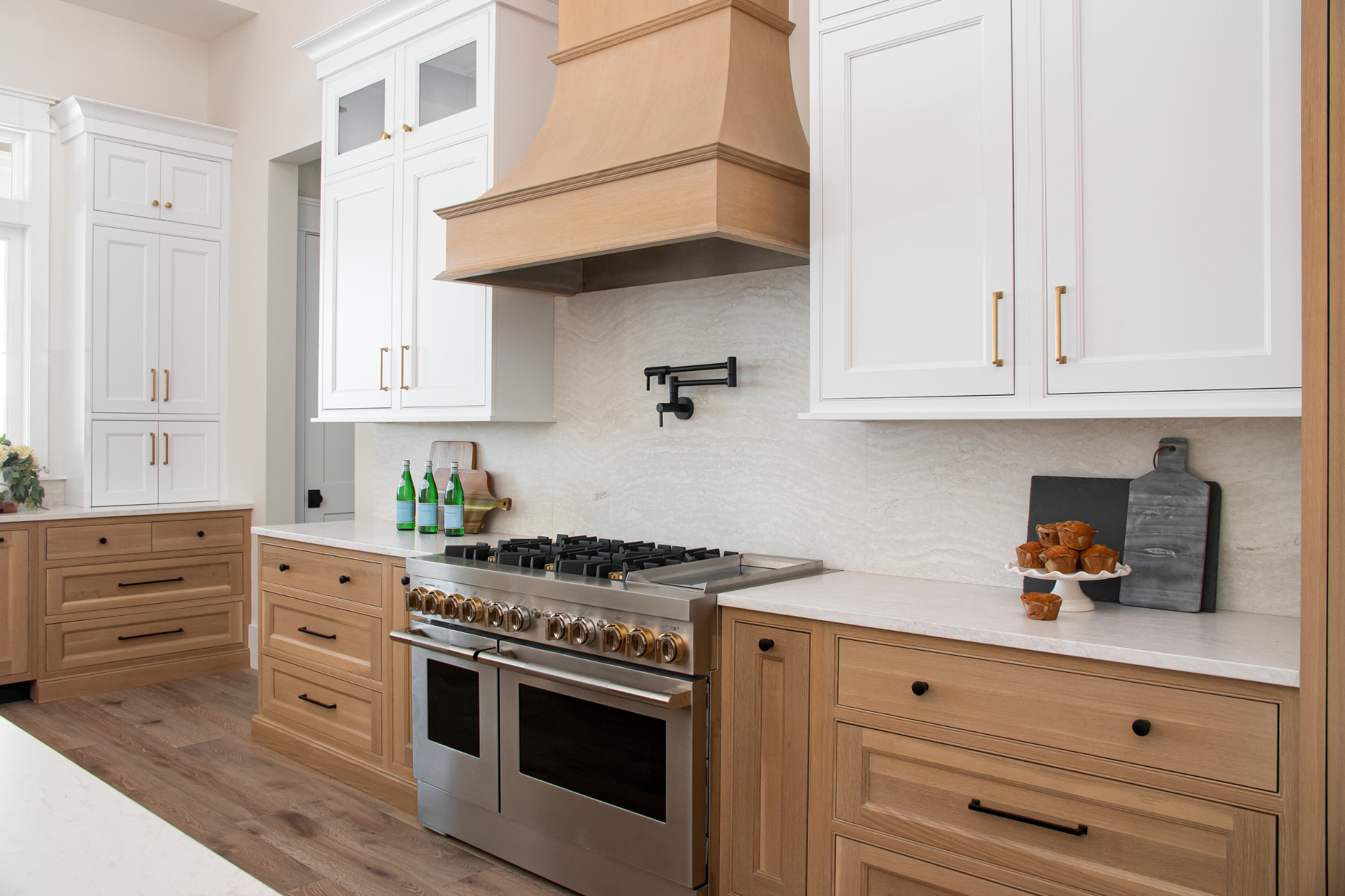
Two-tone kitchen cabinets are a popular way to add depth and visual interest instead of using one color throughout the kitchen. Combining two complementary shades can distinguish different areas, highlight an island, and give the space a more customized appearance.
However, attractive colors do not always work well together. Cabinet placement, proportions, lighting, and surrounding materials all influence the result.
The key is choosing two colors that complement each other and the rest of the kitchen.
The Appeal of Two-Tone Kitchen Cabinets
Two-tone kitchen cabinets introduce contrast and give different areas of the kitchen visual distinction.
Common arrangements include:
- Light upper and dark lower cabinets: Keeps the upper portion visually open while grounding the room.
- Contrasting kitchen island: Creates a focal point without changing every cabinet.
- Different colors on separate cabinet walls: Distinguishes areas in larger or open-concept kitchens.
- Dark upper and light lower cabinets: Creates a dramatic appearance but requires careful attention to lighting.
The lighter color does not always have to go on top. Placement depends on the kitchen’s layout, ceiling height, and natural light.
Using one dominant color and reserving the second for an island or smaller section can create contrast without making the design feel fragmented.
Two-Tone Cabinet Color Combinations That Work
The right pairing depends on existing finishes, personal preferences, and the desired atmosphere.
Some combinations worth considering include:
- White and navy: Creates crisp contrast with light countertops.
- Cream and sage green: Complements natural wood and warm finishes.
- White and natural wood: Combines painted surfaces with organic texture.
- Charcoal and warm beige: Introduces contrast without stark black and white.
- Light gray and deep blue: Creates a coordinated, cooler palette.
Start with the color that will cover the largest cabinet area. Then select a second shade that provides contrast without competing for attention.
Undertones matter, too. Blue-gray cabinets can look different beside warm beige countertops than charcoal finishes with brown undertones. Comparing samples side by side helps reveal these differences.
Cabinet door style also affects the result. Dark finishes on detailed raised-panel doors may appear heavier than the same colors on simple Shaker or flat-panel designs.
The Role of Kitchen Lighting
Lighting can make cabinet colors appear warmer, cooler, or darker than expected.
Before choosing a combination, consider:
- Amount and direction of natural light
- Existing ceiling and pendant fixtures
- Under-cabinet lighting
- Wall and ceiling colors
- Reflective countertops and backsplashes
Place cabinet samples beside the actual countertop and flooring. Review them at different times of day to see how their appearance changes.
Larger samples or finish boards are preferable because small color chips may not represent an entire cabinet door.
Creating Balance With Cabinet Finishes and Materials
Cabinet colors should complement the kitchen’s other major finishes. Countertops, backsplashes, flooring, and hardware can reinforce the combination or make the design feel disconnected.
| Cabinet Combination | Complementary Materials | Overall Effect |
|---|---|---|
| White and navy | Light stone and brushed brass | Crisp, classic contrast |
| Cream and sage | Natural wood and warm stone | Soft, organic appearance |
| White and natural wood | Neutral countertops | Warm, balanced design |
| Charcoal and beige | Light quartz and warm metallic finishes | Modern contrast |
| Gray and deep blue | White backsplash and brushed nickel | Cool, coordinated appearance |
If the cabinetry already creates strong contrast, a simpler countertop or backsplash can maintain visual balance. More patterned materials work better when cabinet colors are understated.
Brushed brass adds warmth, while brushed nickel and chrome complement cooler combinations. Wood accents can soften painted cabinetry, provided their stains complement the cabinet undertones.
Explore kitchen countertops and backsplash materials that coordinate with the selected finishes.
Avoiding Common Two-Tone Cabinet Design Mistakes
Even attractive combinations can disappoint when their placement and proportions are overlooked.
Common mistakes include:
- Using too many competing finishes: Multiple cabinet colors, wood tones, and patterned surfaces can make the kitchen feel crowded.
- Giving both colors equal visual weight: Two strong shades across large cabinet sections can compete rather than establish a focal point.
- Relying on small samples: Color chips may not represent the appearance of an entire cabinet wall.
- Overlooking adjoining spaces: Open-concept kitchens should coordinate with nearby living and dining areas.
- Ignoring cabinet layout: A color that works on a large island may not suit a narrow cabinet section.
Review the combination from different viewpoints, including adjoining rooms. This helps determine whether the contrasting color complements the space or dominates it.
Updating Existing Cabinets With Two Colors
A two-tone design does not always require completely new cabinetry.
If existing cabinet boxes are structurally sound, cabinet painting or refinishing may introduce a second color without replacing the cabinets. The cabinet material and surface condition determine the preparation requirements.
Other options include:
- Cabinet refacing or redooring when new doors and drawer fronts are needed.
- Updated cabinet knobs and pulls to complement the finishes.
- New countertops or backsplashes.
- Additional kitchen storage solutions when functionality needs improvement.
The right approach depends on cabinet condition, existing materials, and the extent of the update. Evaluate what can be preserved and refreshed before deciding which improvements are needed.
Making the Right Two-Tone Cabinet Choice
Choosing two cabinet colors involves more than finding attractive shades. Their placement, proportions, undertones, and relationship with surrounding materials determine whether the finished kitchen feels coordinated.
The best two-tone kitchen cabinets have a clear visual hierarchy: one color establishes the overall look, while the second adds contrast or highlights a specific area.
Comparing larger samples with existing finishes and reviewing the entire layout can help homeowners avoid costly changes. Kitchens Redefined can help Omaha homeowners explore cabinet painting, refinishing, refacing, and redooring options suited to their kitchens.
Frequently Asked Questions
Will two-tone cabinets look good in a small kitchen?
Yes. Lighter upper cabinets paired with darker lower cabinets can introduce contrast while keeping the upper portion visually open. Using the second color selectively also prevents a compact kitchen from feeling too busy.
Is it necessary to use the same finish on both cabinet colors?
No. Matte and satin finishes can work together when the difference is intentional. However, dramatically different sheens may make the contrast more noticeable.
What cabinet door styles work best with two colors?
Shaker and flat-panel doors offer a simple appearance that lets the color combination stand out. Different styles can also distinguish areas such as a furniture-style island or pantry cabinet.
Does choosing two cabinet colors increase renovation costs?
It can. Costs depend on materials, finishes, installation requirements, and custom work. Two finishes may involve additional labor or material expenses, particularly when custom color matching is required.
How can open shelving fit into a two-tone kitchen design?
Open shelving can complement upper cabinets or create a transition between differently colored cabinet sections. Choose shelf materials and finishes that complement both cabinet colors.
Kitchens Redefined
At Kitchens Redefined, our mission is to provide you with a hassle-free experience, from the initial consultation through the finished project. We specialize in kitchen cabinet painting/refinishing, cabinet refacing/redooring, countertops, backsplash, cabinet hardware, and cabinet storage solutions. Our experienced staff work tirelessly to make sure your project receives the attention it deserves, and the quality craftsmanship required to meet and exceed your expectations.
Fill out our form to schedule a free in-home consultation for a kitchen cabinet makeover, or call us at (402) 505-3381 to schedule a consultation.